Discover the benefits of transitioning to a paperless office and why it’s a smart move for small business owners and office managers. Learn how to reduce clutter, increase efficiency, and contribute to a more sustainable future.
Introduction
In today’s digital age, the concept of a paperless office is gaining momentum. More and more businesses are realizing the benefits of transitioning from traditional paper-based processes to digital solutions. This blog post will explore why small businesses should consider embracing the digital age and transitioning to a paperless office.
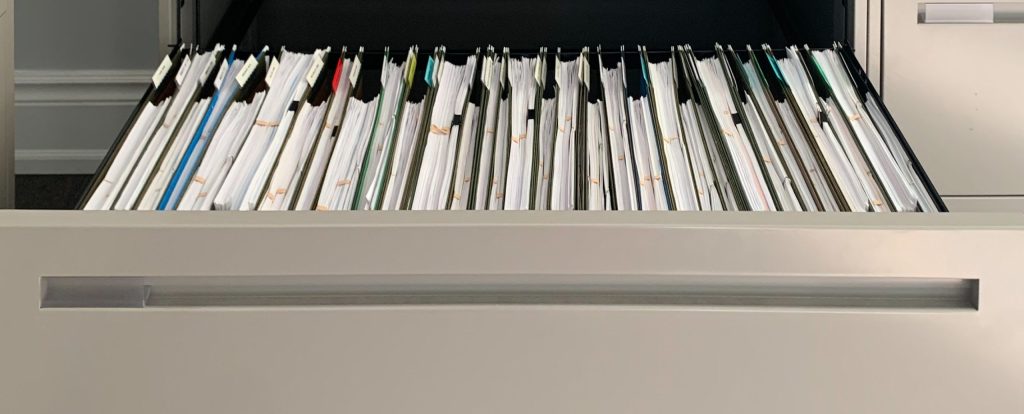
Transitioning to a paperless office offers numerous advantages for small businesses. Firstly, it reduces clutter and eliminates the need for physical storage space. Say goodbye to stacks of paper and bulky filing cabinets, and hello to a more organized and spacious work environment.
Increased efficiency and productivity are also key benefits of going paperless. With digital files and documents, you can instantly access information and find what you need with a quick search. Collaboration becomes seamless as you can easily share and collaborate on digital documents, saving time and improving workflow.
Cost savings are another advantage of going paperless. By reducing paper, printing, and storage expenses, small businesses can allocate their resources more effectively. Additionally, maintenance and supply costs for printers and copiers are significantly reduced.
Embracing a paperless office also enhances security and data protection. Digital encryption and password protection ensure that sensitive information remains secure. Regular data backups and disaster recovery options provide peace of mind in case of any unforeseen events.
Lastly, transitioning to a paperless office contributes to environmental sustainability. By reducing paper consumption and waste, small businesses can play their part in creating a greener and more eco-friendly workplace.
Transitioning to a paperless office offers a multitude of benefits for small businesses. From reducing clutter and increasing efficiency to saving costs and enhancing security, the advantages are clear. Embracing the digital age and going paperless not only streamlines operations but also contributes to a more sustainable future. So, why not take the leap and join the growing number of businesses embracing the benefits of a paperless office?
The Benefits of Going Paperless:
Reduced Clutter and Physical Storage
Transitioning to a paperless office brings a range of advantages for small businesses. One major benefit is the reduction of clutter and physical storage. By eliminating stacks of paper and bulky filing cabinets, businesses can create a more organized and spacious work environment. Imagine having more room to move around and work without being surrounded by piles of paper!
Additionally, going paperless allows for better organization of documents and files. With digital storage systems, you can easily categorize and search for files, making it quicker and more efficient to find what you need. No more wasting time flipping through endless pages or searching through stacks of paper. Everything is just a few clicks away!
Furthermore, a paperless office promotes a cleaner and tidier workspace. Without the need for physical documents, there is less chance of misplacing or losing important information. Digital files can be securely stored and accessed whenever needed, reducing the risk of losing valuable data.
In conclusion, embracing the digital age and transitioning to a paperless office offers the benefits of reduced clutter and physical storage. By eliminating stacks of paper and filing cabinets, businesses can create a more organized and spacious work environment. With digital storage systems, files can be easily categorized and accessed, leading to increased efficiency and productivity. So, why not take the step towards a paperless office and enjoy the advantages it brings?
Increased Efficiency and Productivity:
Transitioning to a paperless office not only reduces clutter but also boosts efficiency and productivity. With digital files and documents, you have instant access to information at your fingertips. No more wasting time searching through physical files or waiting for someone to find and share a document. It’s all right there on your computer or device.
Moreover, digital files are easily searchable and retrievable. You can use keywords or filters to quickly locate the specific information you need. This saves valuable time and allows you to focus on more important tasks instead of getting lost in a sea of paperwork.
Collaboration and document sharing become much smoother in a paperless office. With digital files, you can easily share documents with colleagues, clients, or partners. Multiple people can work on the same document simultaneously, making collaboration seamless and efficient. No more printing, copying, or mailing documents back and forth. It’s all done digitally, saving time and resources.
Transitioning to a paperless office brings increased efficiency and productivity. Instant access to digital files, quick searchability, and streamlined collaboration all contribute to a more efficient and productive work environment. Embracing the digital age and going paperless can revolutionize the way you work and help you achieve more in less time. So, why not make the switch and enjoy the benefits it brings?
Cost Savings:
Transitioning to a paperless office not only improves efficiency but also leads to significant cost savings. By going digital, you can say goodbye to expenses related to paper, printing, and storage. No more buying reams of paper or spending money on ink cartridges. Instead, you can allocate those funds towards other important aspects of your business.
In addition, a paperless office reduces maintenance and supply costs for printers and copiers. These machines require regular maintenance, repairs, and replacement of parts. By eliminating the need for physical documents, you can reduce wear and tear on your printing equipment, resulting in lower maintenance costs. Moreover, you won’t need to constantly purchase supplies like paper, toner, and ink, saving you even more money in the long run.
Shifting to a paperless office brings significant cost savings. By reducing expenses related to paper, printing, and storage, you can allocate those funds towards other areas of your business. Lower maintenance and supply costs for printers and copiers further contribute to the financial benefits of going paperless. Embracing the digital age not only improves efficiency but also helps your bottom line.
Enhanced Security and Data Protection:
Transitioning to a paperless office not only offers convenience but also enhances security and data protection. With digital files, you can implement measures like encryption and password protection to safeguard sensitive information. This ensures that only authorized individuals can access and view important documents, reducing the risk of data breaches or unauthorized access.
Regular data backups are another crucial aspect of a paperless office. By regularly backing up your digital files, you can protect against data loss in case of hardware failure, natural disasters, or other unforeseen events. Having a backup ensures that your important information is safe and can be easily restored if needed.
In addition, implementing disaster recovery options provides an extra layer of protection. This involves creating a plan and procedures to recover and restore data in the event of a major disruption. By having a disaster recovery plan in place, you can minimize downtime and quickly get back to business operations.
Moving to a paperless office enhances security and data protection. Digital encryption and password protection ensure that sensitive information remains secure. Regular data backups and disaster recovery options provide peace of mind and protect against data loss. Embracing the digital age not only improves efficiency but also safeguards your valuable data.
Environmental Sustainability:
Transitioning to a paperless office not only benefits your business but also contributes to a greener and more eco-friendly workplace. By going digital, you can significantly reduce paper consumption and waste. Think about all the paper that gets used and discarded in a traditional office setting. By eliminating the need for physical documents, you can help conserve precious natural resources.
Reducing paper consumption also means reducing the amount of waste that ends up in landfills. Paper waste takes up space and contributes to environmental pollution. By embracing the digital age and transitioning to a paperless office, you can play your part in reducing your carbon footprint and promoting sustainability.
Furthermore, a paperless office aligns with the principles of a circular economy. Instead of using resources to produce paper, you can focus on digital solutions that are more sustainable in the long run. This shift towards a more eco-friendly workplace not only benefits the environment but also enhances your business’s reputation as a responsible and environmentally conscious organization.
Converting to a paperless office promotes environmental sustainability. By reducing paper consumption and waste, you can contribute to a greener and more eco-friendly workplace. Embracing the digital age not only improves efficiency and productivity but also helps create a more sustainable future.
Steps to Transitioning to a Paperless Office:
Assessing Current Paper Usage and Workflows
When transitioning to a paperless office, it’s important to start by assessing your current paper usage and workflows. Take a close look at your office and identify areas where paper can be eliminated or reduced. Are there any processes that heavily rely on paper that could be digitized? By identifying these areas, you can determine where to focus your efforts in the transition.
Next, analyze your existing processes and find digital alternatives. Look for software or tools that can replace paper-based tasks. For example, instead of printing and mailing invoices, consider using an online invoicing system. Look for ways to digitize forms, contracts, and other documents that are commonly used in your business. By finding digital alternatives, you can streamline your workflows and reduce the need for paper.
Transitioning to a paperless office involves assessing your current paper usage and workflows. Identify areas where paper can be eliminated or reduced, and analyze existing processes to find digital alternatives. By taking these steps, you can pave the way for a successful transition to a paperless office and enjoy the benefits it brings.
Implementing Document Management Systems:
One crucial step in transitioning to a paperless office is implementing document management systems. This involves choosing the right software or cloud-based solutions to help you manage and organize your digital files effectively. There are various options available, so it’s important to research and select the one that best suits your business needs.
Once you have chosen a document management system, it’s essential to train your employees on how to use the digital tools effectively. Provide them with the necessary training and resources to navigate the software or cloud-based platform. This will ensure that everyone is on the same page and can make the most out of the digital tools available.
Implementing document management systems is a crucial step in transitioning to a paperless office. Choose the right software or cloud-based solutions that fit your business needs, and provide training to your employees on how to use these tools effectively. By doing so, you can streamline your document management processes and make the most out of the digital age..
Scanning and Digitizing Existing Paper Documents:
When transitioning to a paperless office, it’s important to consider how to handle existing paper documents. One strategy is to scan and digitize these documents to convert them into digital formats. This involves using a scanner to create digital copies of your physical files.
To ensure a smooth transition, it’s important to have a strategy in place for scanning and digitizing your documents. Determine which documents are essential to keep and which ones can be discarded. Prioritize scanning important documents such as contracts, invoices, and client records. One way to do this is to implement daily or weekly scanning sessions in order to ensure it is done regularly.
Once you have digitized your documents, it’s crucial to organize and categorize them for easy retrieval. Create a logical folder structure and use descriptive file names to make it easier to locate specific files. Consider using document management software or cloud-based solutions to help you organize and manage your digital files effectively. I always recommend starting by differentiating between employees, clients, and customers in your system.
Scanning and digitizing existing paper documents is an important step in transitioning to a paperless office. Develop a strategy for converting physical files into digital formats, prioritize important documents, and organize them in a logical manner. By doing so, you can ensure easy retrieval of digital files and enjoy the benefits of a paperless office.
Establishing Digital Workflows and Collaboration Tools:
As you transition to a paperless office, it’s important to establish digital workflows and utilize collaboration tools. One way to do this is by implementing digital approval processes and electronic signatures. Instead of printing and physically signing documents, you can use electronic signatures to streamline the approval process. This saves time and eliminates the need for physical paperwork.
In addition, utilizing project management and communication platforms can greatly enhance collaboration in a paperless office. These tools allow teams to work together efficiently, even when they are not physically in the same location. You can assign tasks, track progress, and communicate with team members all in one place. This eliminates the need for physical meetings and promotes effective collaboration.
By establishing digital workflows and utilizing collaboration tools, you can improve efficiency and productivity in your paperless office. Digital approval processes and electronic signatures simplify document handling, while project management and communication platforms enhance collaboration. Embracing these digital tools will help your business thrive in the digital age.
Ensuring Data Security and Backup Measures:
When transitioning to a paperless office, it’s crucial to prioritize data security and backup measures. One way to do this is by implementing data encryption and access controls. This means protecting your digital files with encryption technology, making it difficult for unauthorized individuals to access sensitive information. Additionally, setting up access controls ensures that only authorized personnel can view and modify important documents.
Regularly backing up your digital files is another essential step in ensuring data security. By creating backups, you can protect against data loss in case of hardware failure, cyberattacks, or other unforeseen events. It’s important to establish a backup schedule and choose a reliable backup solution to safeguard your valuable information.
Furthermore, it’s wise to establish disaster recovery plans. These plans outline procedures for recovering and restoring data in the event of a major disruption, such as a natural disaster or system failure. By having a disaster recovery plan in place, you can minimize downtime and quickly resume business operations.
Ensuring data security and backup measures is crucial when transitioning to a paperless office. Implementing data encryption and access controls protects sensitive information, while regular backups and disaster recovery plans safeguard against data loss. By prioritizing these measures, you can have peace of mind knowing that your digital files are secure and protected.
Having an experienced IT team can help you with all your security needs from your email to your network. They can implement robust data backup solutions to protect your business data from loss or corruption. They can also set up firewalls, antivirus software, and other security measures to protect against malware, hacking attempts, and data breaches.
Overcoming Challenges and Embracing the Transition:
Transitioning to a paperless office may come with its fair share of challenges, but with the right approach, you can overcome them and fully embrace the digital age. One common challenge is resistance to change. Some employees may be hesitant or uncomfortable with the transition. To address this, it’s important to provide training and support. Offer workshops or one-on-one sessions to help employees understand the benefits of going paperless and teach them how to use the new digital tools effectively. By providing the necessary training and support, you can help ease the transition and alleviate any concerns.
Another way to overcome challenges is by celebrating milestones and successes along the way. Transitioning to a paperless office is a significant achievement, and it’s important to acknowledge and celebrate the progress made. Recognize and reward employees for their efforts and accomplishments. This not only boosts morale but also reinforces the positive impact of the transition. By celebrating milestones and successes, you create a positive and motivating environment that encourages further adoption of the paperless office.
Overcoming challenges and embracing the transition to a paperless office requires addressing resistance to change and providing training and support. Celebrating milestones and successes along the way helps maintain motivation and momentum. By taking these steps, you can successfully navigate the transition and fully embrace the benefits of the digital age.
Conclusion:
Embracing the digital age and transitioning to a paperless office brings numerous benefits for small businesses. By going paperless, you can enjoy increased efficiency, productivity, and cost savings. Digital workflows and collaboration tools streamline processes and enhance teamwork. Additionally, a paperless office contributes to environmental sustainability by reducing paper consumption and waste.
Transitioning to a paperless office also prepares your business for the future. It aligns with the digital transformation happening across industries and ensures that you stay competitive in a rapidly evolving business landscape. By embracing digital tools and technologies, you can adapt to changing customer expectations and market demands.
In conclusion, transitioning to a paperless office is a step towards a more efficient, sustainable, and future-ready workplace. Embracing the benefits of a paperless office not only improves your business operations but also contributes to a greener environment. So, why not take the necessary steps today and embrace the digital age? By doing so, you can position your small business for success in the digital era.
Be the first to know when the next post drops!
Enter your name and email address below to subscribe to our weekly newsletter!
Discover more from Administrator Aid
Subscribe to get the latest posts sent to your email.
 Administrator Aid