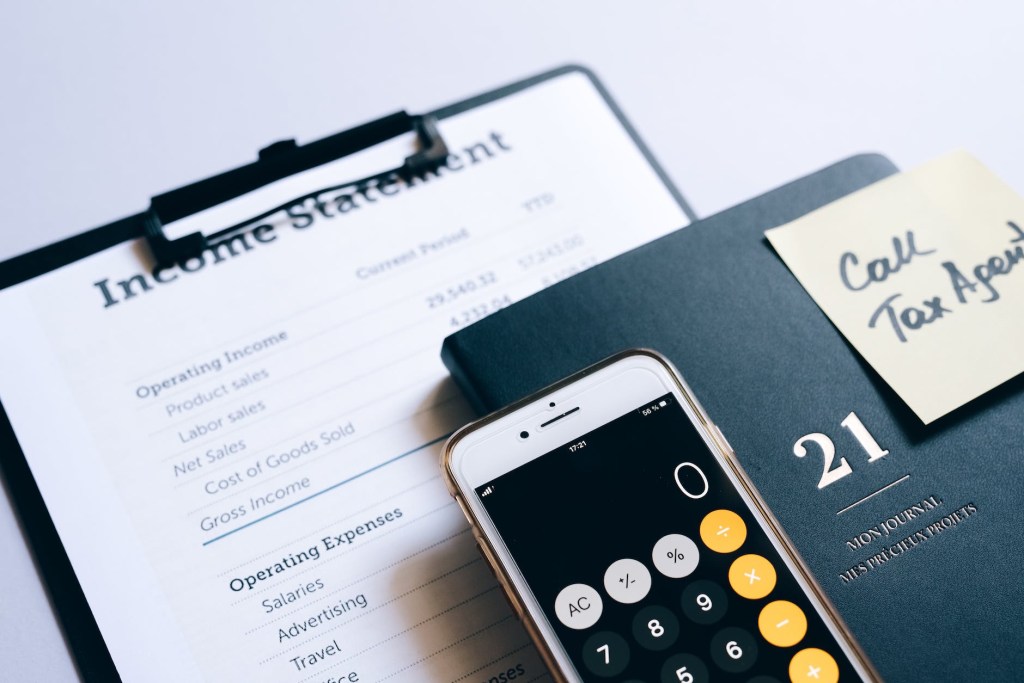
Master the art of budgeting with our ‘Budgeting 101’ guide. Designed for small business owners and office managers, this blog post offers 10 easy-to-follow tips for managing and tracking office expenses. Start your budgeting journey today!
Top 10 Tips for Managing and Tracking Office Expenses
- Use digital tools for expense tracking
- Regularly review and adjust the budget
- Maintain budget discipline
- Prioritize expenses
- Keep a record of all expenses
- Categorize expenses
- Plan for unexpected costs
- Involve your team in budgeting
- Regularly audit your expenses
- Seek professional advice if needed
- Bonus Tip: Ensure the Owners expenses are all accounted for
I. Introduction
A. Brief explanation of the importance of budgeting and expense tracking
Budgeting and expense tracking are two of the most critical tasks in running a small business. They’re like the compass and map for your business journey. Without them, you’re essentially navigating your business in the dark. Budgeting helps you plan your financial road map, determining how much money you have, where it’s going, and where it could be better spent. On the other hand, expense tracking is like your compass, guiding you to make sure you’re sticking to your budget and not overspending. It’s all about keeping a close eye on where your money is going.
B. How mastering these skills can benefit small businesses
Mastering the art of budgeting and expense tracking can bring numerous benefits to your small business. First, it can help you avoid overspending and falling into debt. Second, it can give you a clear picture of your business’s financial health, helping you make informed decisions. For instance, you can identify areas where you can cut costs or invest more. Third, it can improve your cash flow, ensuring you have enough money to cover your business needs. Lastly, it can give you peace of mind knowing that you’re in control of your business finances. In a nutshell, these skills are key to maintaining a healthy and sustainable business.
II. The ABCs of Office Expenses
A. Definition and examples of office expenses
Office expenses are the costs that are associated with running your business on a day-to-day basis. These are not the direct costs of producing your product or service, but rather the overheads that keep your office functioning smoothly. Examples of office expenses include rent or mortgage payments for your office space, utility bills such as electricity and water, office supplies like paper and ink, and equipment costs for items like computers, printers, and office furniture. Other office expenses might include costs for cleaning services, maintenance and repairs, and any software or subscriptions necessary for your business operations.
B. The role of office expenses in business operations
Office expenses play a crucial role in business operations. They are the backbone that supports your business activities. Without covering these costs, your business could not function effectively.
Moreover, managing office expenses effectively is key to maintaining a healthy cash flow and profitability. By keeping track of these costs and budgeting for them appropriately, you can ensure that your business has the resources it needs to operate efficiently while also avoiding unnecessary expenditures. This can help your business save money in the long run and contribute to your bottom line..
III. Budgeting Basics
A. Simple explanation of what budgeting is
Think of budgeting as your financial roadmap. It’s a plan that outlines your business’s income and expenses over a certain period of time. This plan guides your spending decisions, helping you allocate funds to different areas of your business, including office expenses. A well-structured budget ensures that you have enough money to cover all your costs, while also identifying areas where you can potentially save. In essence, budgeting is a tool that helps you control your finances, rather than letting your finances control you.
B. Steps to create an effective budget for office expenses
- 1. Identify Your Expenses: Start by making a list of all your office expenses. This includes everything from rent and utilities to office supplies and equipment costs. Be as detailed as possible to ensure nothing slips through the cracks.
- 2. Estimate Costs: After identifying your expenses, estimate how much each one will cost. Some expenses, like rent, will be fixed, while others, like utility bills, may vary from month to month. Use past bills and receipts to help estimate these costs.
- 3. Track Your Spending: Keep a record of all your office expenses. This will not only help you stay within your budget, but it will also give you a clearer picture of where your money is going. You can use accounting software or a simple spreadsheet to do this and reference items such as your bank statement for information.
- 4. Review and Adjust: Make it a habit to regularly review your budget. If you find that you’re consistently going over budget in one area, you may need to cut back in another area to balance things out.
- 5. Plan for the Unexpected: Lastly, always plan for unexpected expenses. Things like equipment breakdowns or sudden increases in utility costs can throw your budget off track if you’re not prepared. Set aside a portion of your budget for these unexpected costs to help cushion the blow. I like to call this the contingency fund.
IV. Top 10 Tips for Managing and Tracking Office Expenses
Tip 1: Use digital tools for expense tracking
In today’s digital age, there are numerous tools available that can help you track your office expenses, such as QuickBooks, Simply Accounting, or Excel. These tools can automate the process, making it easier and more efficient. They can also provide valuable insights into your spending patterns, helping you identify areas where you can save.
Tip 2: Regularly review and adjust the budget
Your budget is not set in stone. It’s a dynamic document that should be reviewed and adjusted regularly. This will help you stay on top of your expenses and ensure that your budget accurately reflects your business’s financial situation. If you have a bookkeeper, they can guide you through these reports.
Tip 3: Maintain budget discipline
Sticking to your budget is crucial. It can be tempting to splurge on the latest office gadgets or go overboard with office decor, but it’s important to maintain discipline and only spend what you’ve budgeted for.
Tip 4: Prioritize expenses
Not all expenses are created equal. Some are essential for your business operations, while others are nice to have. Determine what areas you want to focus on then prioritize your expenses and allocate your funds accordingly. This will ensure that your most important costs are covered first.
Tip 5: Keep a record of all expenses
Keeping a detailed record of all your expenses is key to effective budget management. This will not only help you track your spending, but it will also make it easier to review and adjust your budget.
Tip 6: Categorize expenses
Categorizing your expenses can provide valuable insights into where your money is going. This can help you identify areas where you can cut back and save money.
Tip 7: Plan for unexpected costs
Unexpected costs are a part of doing business. Whether it’s a sudden illness, professional fee or an unexpected increase in supplier costs, it’s important to have a contingency plan in place. Set aside a portion of your budget for these unexpected costs to help cushion the blow.
Tip 8: Involve your team in budgeting
Budgeting shouldn’t be a one-person job. Involve your team in the process. This will not only help them understand the importance of budgeting, but it will also make them more mindful of their own spending and time usage.
Tip 9: Regularly audit your expenses
Regular audits can help you identify any discrepancies or irregularities in your expenses. This can help you catch any potential issues early and take corrective action.
Tip 10: Seek professional advice if needed
If you’re struggling with budgeting or if you’re unsure about certain aspects of it, don’t hesitate to seek professional advice. A financial advisor or accountant can provide valuable guidance and help you navigate the complexities of budgeting.
Bonus Tip: Ensure the Owners expenses are all accounted for
I find that owners sometimes ignore a lot of their day-to-day expenses when it comes to accounting for expenses. Items that are often missed are gas, time (time IS money), mileage, subscriptions, and office supplies. Ensure that you review receipts for examples from the past few months when creating this list.
V. Conclusion
Managing and tracking office expenses is a crucial aspect of running a successful business. To recap, here are the top 10 tips we’ve discussed:
Recap of the top 10 tips for managing and tracking office expenses
- 1. Use digital tools to automate and streamline expense tracking.
- 2. Regularly review and adjust your budget to reflect your current financial situation.
- 3. Maintain budget discipline and avoid unnecessary spending.
- 4. Prioritize your expenses to ensure essential costs are covered first.
- 5. Keep a detailed record of all expenses for easy tracking and review.
- 6. Categorize your expenses to gain insights into your spending patterns.
- 7. Plan for unexpected costs and set aside a portion of your budget for them.
- 8. Involve your team in the budgeting process to foster a culture of financial responsibility.
- 9. Regularly audit your expenses to identify any discrepancies or irregularities.
- 10. Seek professional advice if you’re struggling with budgeting or have any uncertainties.
Tracking office expenses is crucial for small business owners to maintain accurate financial records and maximize tax deductions. By diligently tracking expenses such as bank fees, subscriptions, office supplies, mileage, home office expenses, professional services, insurance premiums, marketing and advertising costs, travel expenses, and training and education expenses, you can ensure that your business is operating efficiently and taking advantage of all available deductions. Remember to keep all receipts and documentation to support your records and consider using accounting software or apps to streamline the expense tracking process. With proper expense tracking, you can effectively manage your business finances and make informed decisions for future growth and success.
To all the small business owners and office managers out there, remember that budgeting is not a daunting task. It’s a powerful tool that can help you take control of your finances and steer your business towards success. By applying these tips, you can effectively manage and track your office expenses, leading to better financial health and sustainability for your business. So, don’t hesitate to take the first step. Start implementing these strategies today, and watch your business thrive. Remember, every successful business journey begins with a well-planned budget.
Ready to ace your budgeting skills? Start applying these tips today and see the difference it makes in your business. Don’t forget to share your progress with us!
Sign up to our email list so you don’t miss any of our time and money saving tips or resources for your small business.
Enter your name and email address below to subscribe to our weekly newsletter!
Discover more from Administrator Aid
Subscribe to get the latest posts sent to your email.
 Administrator Aid
One thought on “Small Business Budgeting 101: Top 10 Tips for Managing and Tracking Office Expenses”